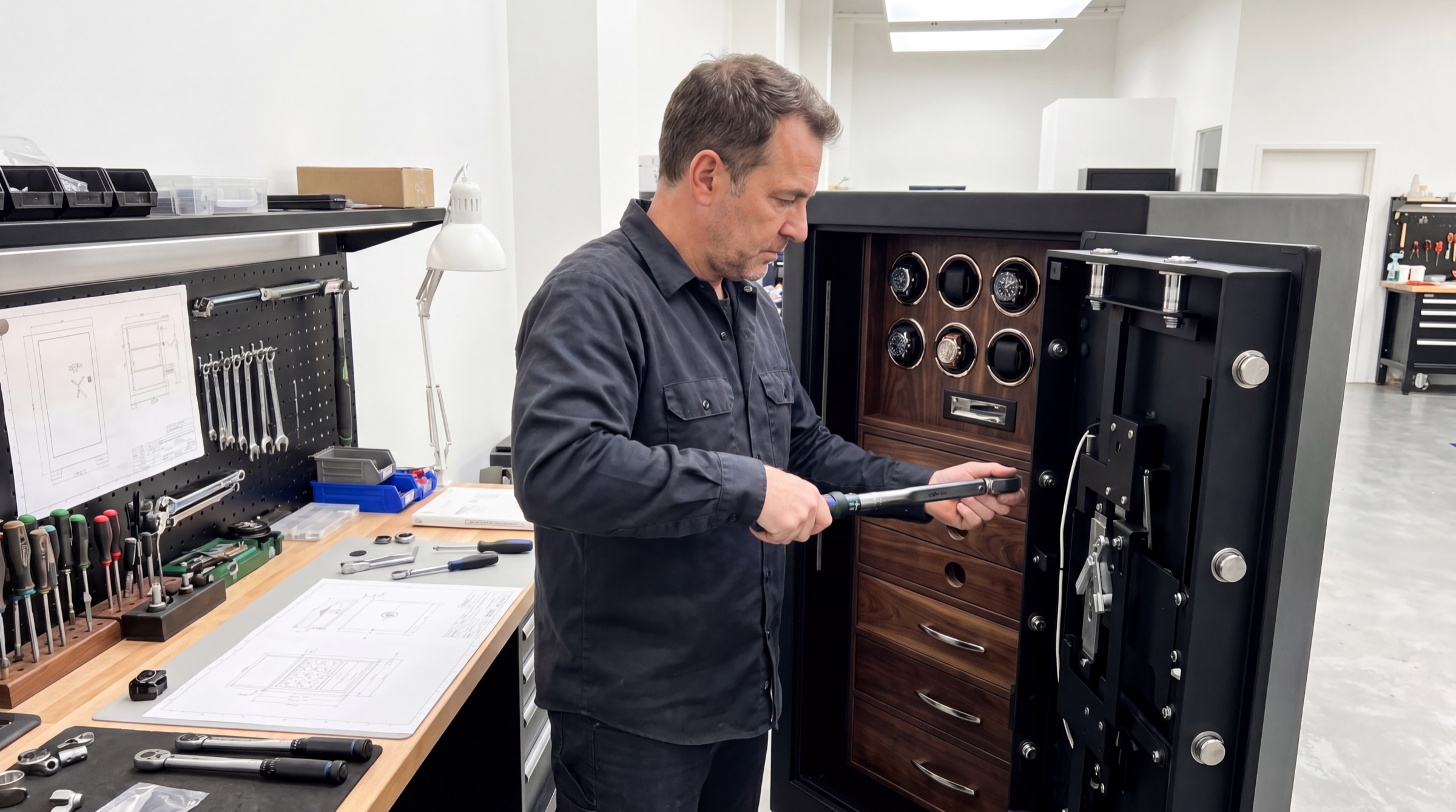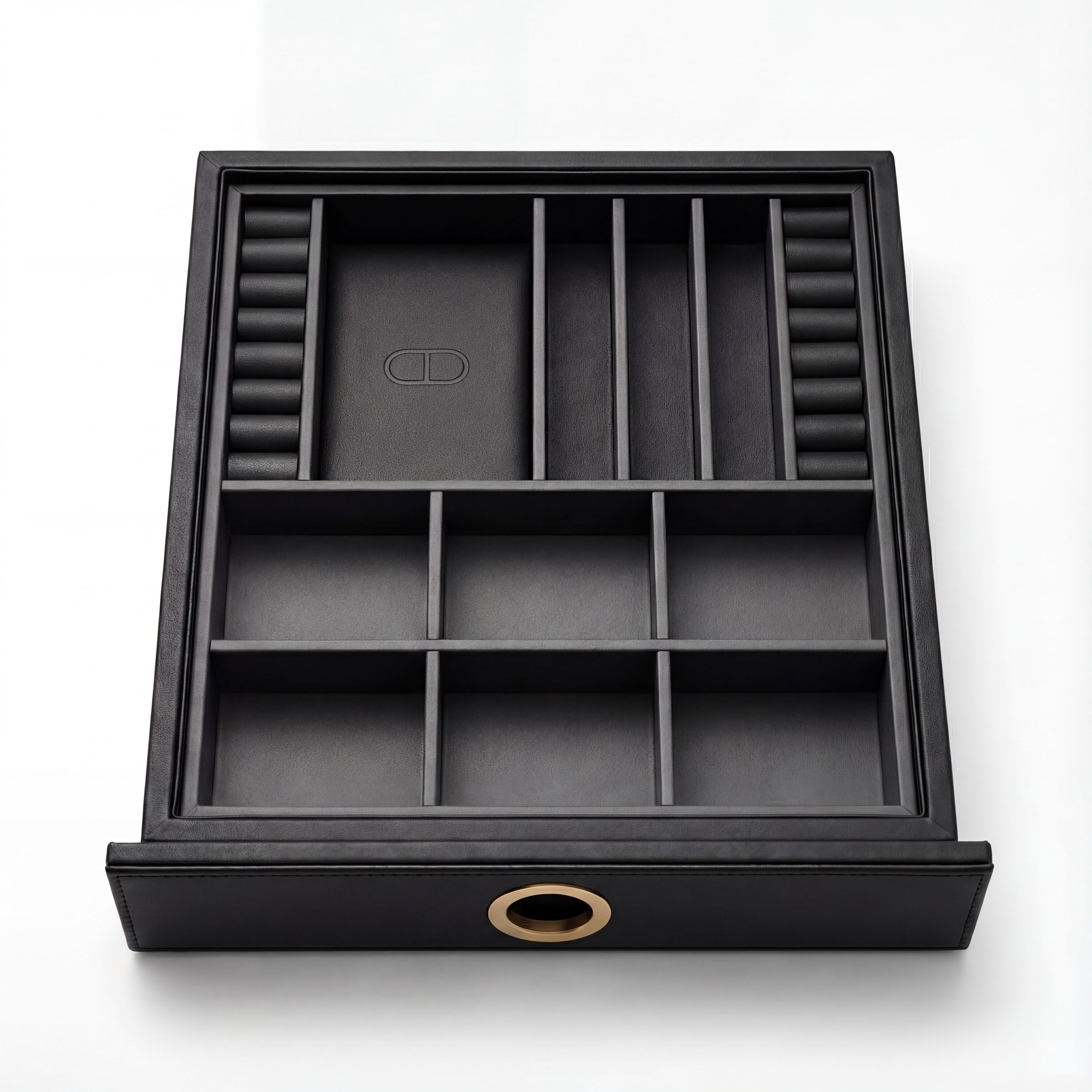
When it comes to insuring a watch collection, most insurers require three things: complete proof of value for every watch, a high-security safe whose security grade matches the sum insured, and an honest assessment of where the collection is kept. A dedicated valuables or all-risks policy covers theft, loss, and accidental damage worldwide — standard home contents cover usually only protects watches up to a low blanket limit. Satisfy those three points cleanly and you get full watch collection insurance instead of a nasty surprise at claim time.
Most home contents policies cover valuables such as watches only up to a sublimit — often a fixed sum or a percentage of the total insured amount. A single collectible watch can exceed that limit on its own. The moment your needs outgrow that cap, you need a separate valuables policy or an explicit endorsement to make your watch insurance hold up.
There is a second gap: contents cover typically applies only at home. Wear the watch out, travel with it, or take it to a restaurant and you may not be covered. A dedicated policy moves the risk with the watch — worldwide and "on the wrist."
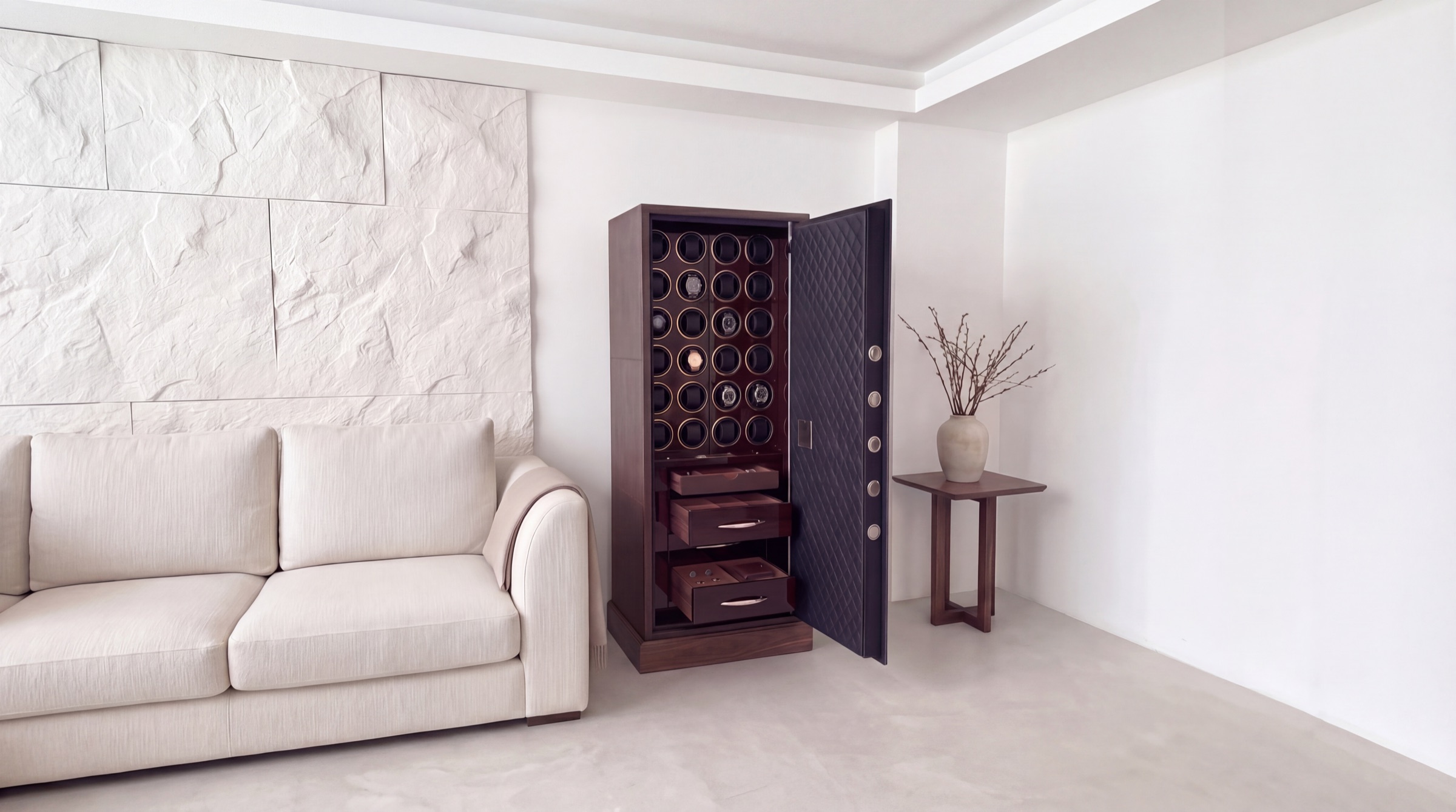
The safe is the decisive lever. Insurers tie the maximum payout to the EN 1143-1 security grade — the higher the burglary-resistance grade in resistance units (RU), the higher the value they will cover. A certified graded safe is therefore not a luxury but often a condition of the policy itself.
Recognised safes carry a test mark from VdS or ECB·S.
| EN 1143-1 grade | Typical insurable value (private, indicative) | Suited to |
|---|---|---|
| Grade 0 / N | up to ~CHF 40,000 | first collection, a few pieces |
| Grade I | up to ~CHF 65,000 | a growing collection |
| Grade II | up to ~CHF 100,000 | established collection with complications |
| Grade III | up to ~CHF 200,000 | high-value, multi-brand collection |
| Grade IV+ | above CHF 200,000 | significant collections, investment pieces |
Your insurer sets the exact figures; the values above are industry-typical guides. We cover the binding thresholds and proof obligations separately in insurance safe requirements.
Without documentation, there is no full payout. Insurers want to see that the watch existed, that you owned it, and that it was worth what you claimed. The more complete your dossier, the smoother the settlement.
"You are not insured for what you own — only for what you can prove."
Settle the basis of payout before you sign. For modern collectible watches whose market value exceeds the boutique price, an agreed value per watch is almost always wiser than a blanket replacement figure.
List limited and vintage pieces individually and revalue them every one to two years. That avoids underinsurance when the market climbs — and avoids a dispute over the day's value if something happens.
Insurers reward measurable risk management. A higher safe grade, a monitored alarm linked to a control centre, and secure storage rather than an open vitrine all feed directly into your premium and excess. You will find practical measures in our guide to burglary protection for collectors.
A Kronberg Collection watch safe meets these requirements while also shielding your pieces from humidity, dust, and stagnation. Have the grade and capacity matched to your collection in the configurator.
A collection is never static. New purchases, sales, and rising market values all need to be reported, or you risk underinsurance. Where possible, arrange a policy with "new acquisitions" cover that protects fresh purchases between valuation dates.
Keep a running inventory — digital, backed up, and mirrored off-site. Document each acquisition immediately and reconcile once a year with your insurer to keep cover precise and the premium fair. For advice on the right safe grade, our atelier is reachable at +41 44 974 27 19.
Only up to a sublimit, often a fixed sum or around a quarter of the total insured amount. Valuable collections need a separate valuables or all-risks policy with the watches explicitly scheduled.
A safe built for high burglary resistance whose resistance grade matches the sum insured, recognised by a VdS or ECB·S test mark. The higher the grade in resistance units, the higher the value the insurer will cover.
Purchase receipts, serial and reference numbers, recent photographs, and an independent valuation for rare pieces. Keeping the box, papers, and warranty card (the "full set") raises both value and the payout.
The premium depends on total value, safe grade, location, and security measures. A higher EN 1143-1 grade and a monitored alarm noticeably lower both premium and excess.
For collectible watches, an agreed value per watch is usually better because market values can exceed boutique prices. Have the values reviewed every one to two years to avoid underinsurance.
Only with a dedicated valuables policy that includes worldwide "on the wrist" cover. Standard contents cover usually stops at your home address, so frequent travellers need an extended policy.
Book a no-obligation personal consultation with a Kronberg advisor. We'll guide you through every option.