No, a properly configured watch winder is not bad for an automatic watch. Modern movements are built for continuous running, and the slipping clutch in the winding mechanism prevents over-winding. A winder only becomes harmful through incorrect TPD settings, cheap vibrating motors, or unsuitable watch types — never because of the principle itself.
Whether watch winders are bad is one of the most persistent debates among collectors. The short answer: the worry is usually a watch winder myth born from a misreading of how the mechanism works. Below we put the main claims to the test.
This is the central objection — and it is only narrowly true. A watch winder keeps just the winding mechanism in motion: the rotor, the reduction gears and the mainspring barrel. These are the most robust and best-lubricated parts of the entire watch.
A watch on the wrist runs through exactly the same process anyway, only less evenly. What matters is not whether the rotor turns, but how much. Run a realistic TPD value rather than spinning the movement at high speed around the clock, and you create no more wear than daily wear on the wrist does.
Genuine damage almost always comes from misuse or poor engineering, not from the concept. These factors are real and entirely avoidable:
This concern is understandable but outdated. Decades ago it was said that the oils would distribute "unfavourably" under constant motion. Modern synthetic lubricants, however, are engineered precisely for continuous operation.
If anything, the opposite risk applies to a watch left completely still: the oils can congeal and gum up the bearings. Moderate, regular movement tends to keep lubrication supple rather than using it up.
"It is never the winder that harms a watch — only the wrong setting does."
The table below sets the most common claims against the verifiable reality.
| Myth | Fact |
|---|---|
| Winders wear out the movement | Only the robust winding train moves — just as on the wrist |
| Constant motion "uses up" the watch | Synthetic oils are designed for continuous running |
| Every winder magnetises watches | Only poorly shielded cheap motors; good winders shield the field |
| More TPD is better | Excessive TPD adds needless load; stay within the maker's range |
| Winders are pure gimmickry | They keep perpetual calendars & complications ready to wear |
Whether a winder helps or hurts depends entirely on the watch type. For automatic watches with elaborate complications — perpetual calendar, moon phase, annual calendar — it is almost essential, because it removes the tedious resetting after the watch stops.
For a simple three-hand automatic it is comfort rather than necessity. Quartz and manual-wind movements should never go on a winder — we cover the detail in our guide to quartz and manual watches. Collectors who rotate several automatics gain the most.
Gentle operation comes down to a few settings. Choose the movement-specific TPD window, confirm the rotation direction, and where possible use an intermittent cycle with rest periods rather than constant rotation.
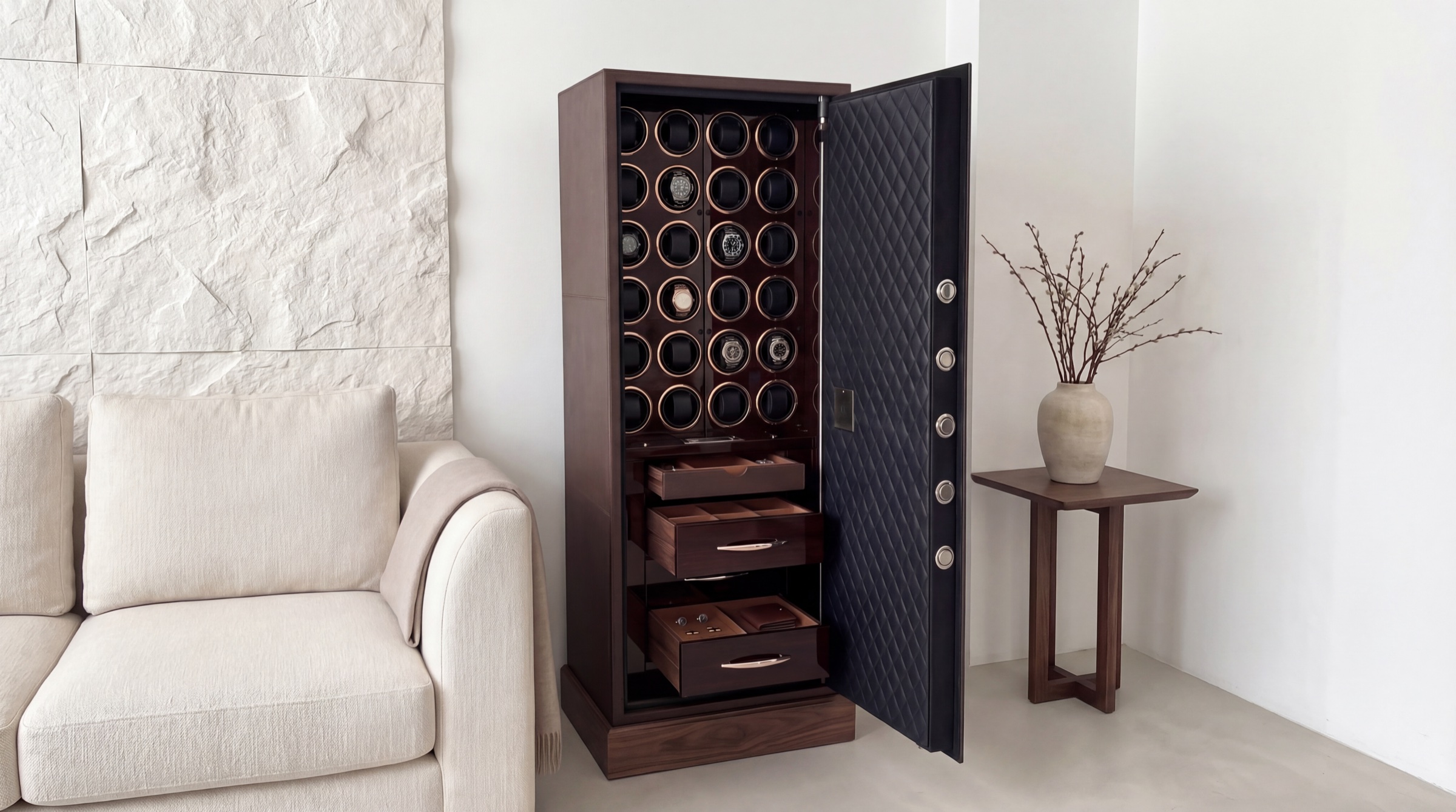
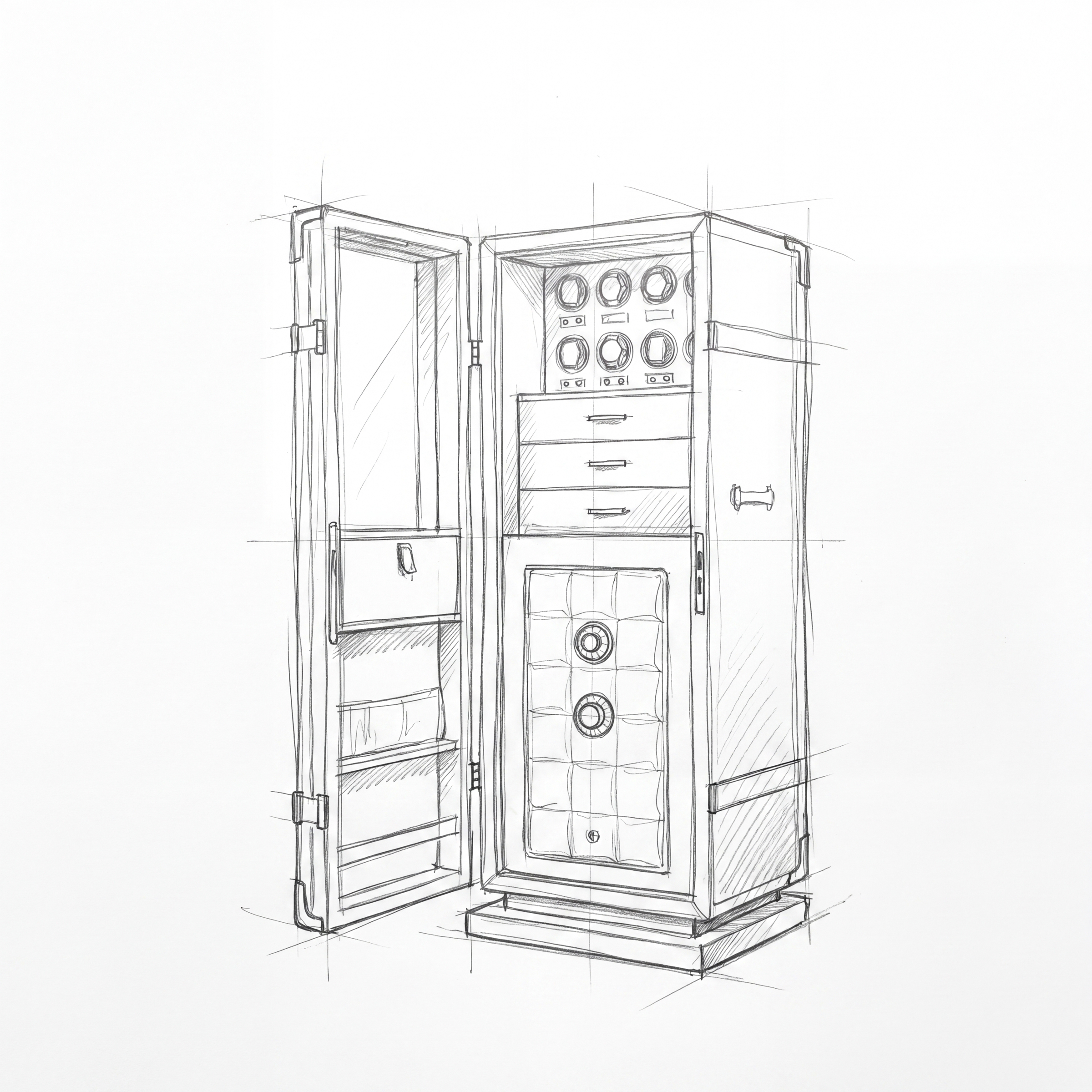
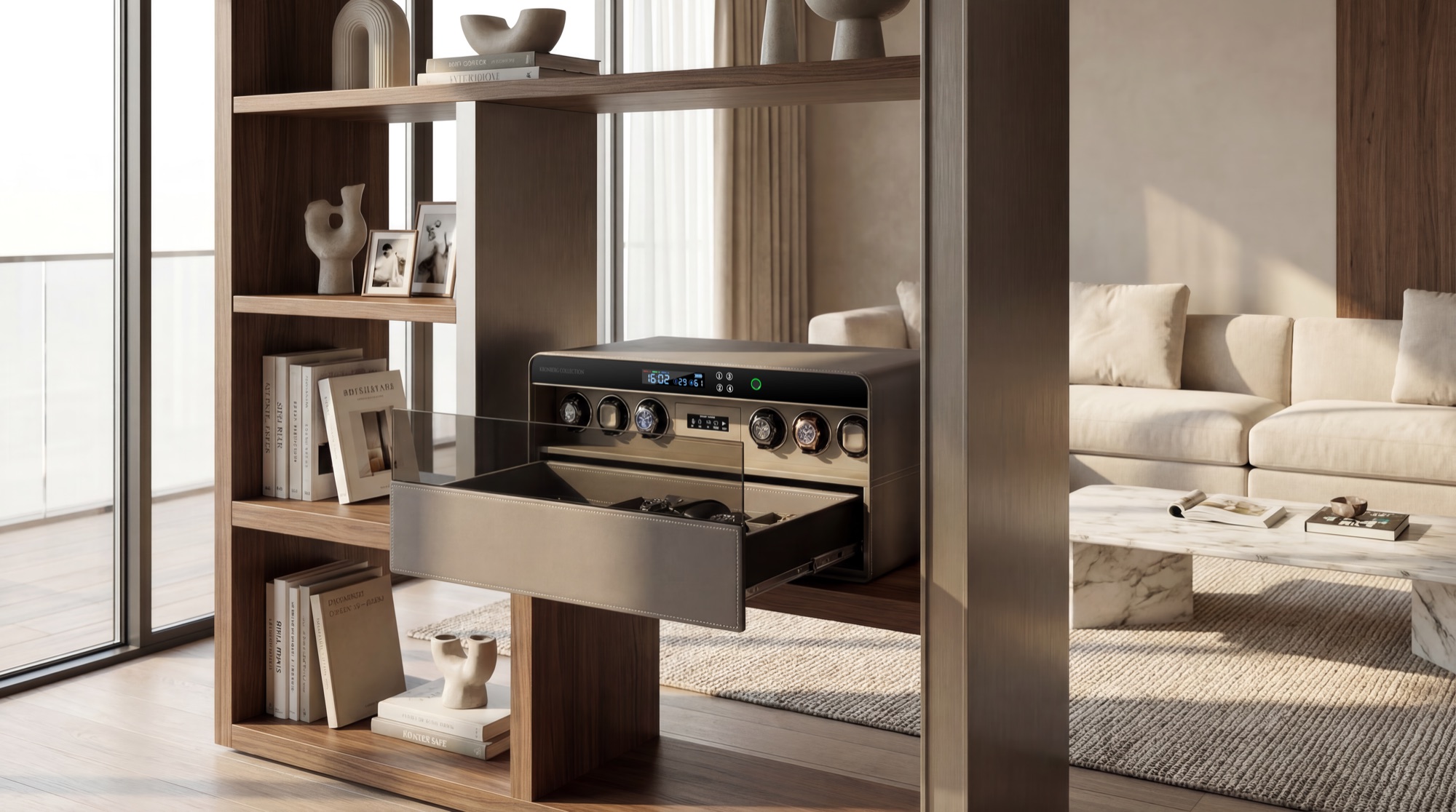
The environment matters just as much: stable temperature, moderate humidity and protection from dust. At Kronberg Collection, winders can be integrated directly into the watch safe, so each module stays individually programmable. If you are still unsure, the 6-module watch winder or a quick personal consultation will help you settle on the right configuration.
No. With a correct TPD value and the right rotation direction, a winder moves only the robust winding mechanism — the same process as daily wear on the wrist. Winders only become harmful through wrong settings or cheap, vibrating motors.
Not more than normal wear does. The slipping clutch in the winding system prevents over-winding, and only the rotor and reduction gears move. The key is a realistic TPD value rather than constant high-speed rotation.
A quality winder will not, because the motor and the watch position are shielded and kept apart. Only cheap, poorly shielded motors can generate a disruptive magnetic field.
Leaving a watch still for long periods can cause the lubricating oils to congeal. Moderate, regular movement tends to keep the lubrication supple, so a correctly set winder is an advantage for seldom-worn automatics.
Quartz watches and purely manual-wind watches. Quartz movements have no rotor, and manual-wind movements are tensioned via the crown, so a winder offers no benefit and is simply unnecessary.
Book a no-obligation personal consultation with a Kronberg advisor. We'll guide you through every option.