For almost every Rolex, the correct watch winder settings are bidirectional rotation (both directions) and 650 to 800 turns per day (TPD) — that is what modern Rolex automatic calibers are designed for. Because the Rolex rotor winds the mainspring in both directions, bidirectional is the safe default whenever you are unsure. If you want to be precise, set the TPD to match the specific caliber.
Rolex uses a bidirectional winding system in its modern automatic movements: the rotor charges the mainspring regardless of which way it swings. This is why the "both" or bidirectional setting works flawlessly for virtually every Rolex.
Some older or specific movements wind more efficiently in one direction, but the other direction causes no harm — the reversing clutch inside the movement prevents that. If your winder is individually programmable per module, like the Kronberg watch winders, choose bidirectional when in doubt and you are covered.
Most Rolex calibers run perfectly on 650 TPD, and a range of 650 to 800 TPD covers essentially the entire current lineup. Too few turns let the power reserve drop; too many give no benefit, because the slipping bridle at the end of the mainspring prevents over-winding anyway.
When unsure, set the figure on the low side and check after two or three days whether the watch holds its full power reserve. For a complete cross-brand reference, see our TPD settings guide.
The table below summarises common recommendations for widely used Rolex movements. Treat them as guide values — small deviations are harmless, since the winder simply imitates the natural motion of a watch on the wrist.
| Caliber | Example models | Direction | Recommended TPD |
|---|---|---|---|
| 3135 | Submariner, Datejust (older) | Bidirectional | 650 |
| 3235 | Datejust 41, Sea-Dweller | Bidirectional | 650–700 |
| 3186 / 3285 | GMT-Master II | Bidirectional | 650–750 |
| 4130 / 4131 | Daytona | Bidirectional | 650–800 |
| 2236 | Lady-Datejust | Bidirectional | 650 |
The caliber is usually printed on the warranty card or can be identified from the reference number. If you don't know it, choose the safe default and watch how your timepiece behaves.
"When in doubt, set bidirectional and 650 TPD — for the vast majority of Rolex watches, that is the right setting."
No. A slightly high TPD figure will not overload the movement, because the Rolex mainspring has a slipping bridle that prevents over-winding. A setting that is too low simply lets the watch stop. We cover this often-misunderstood subject in our article are watch winders bad for your watch?.
More important than the last TPD detail is the quality of the drive. A quiet, precise motor runs reliably for years — we explain why that matters most in quiet watch winder motors.
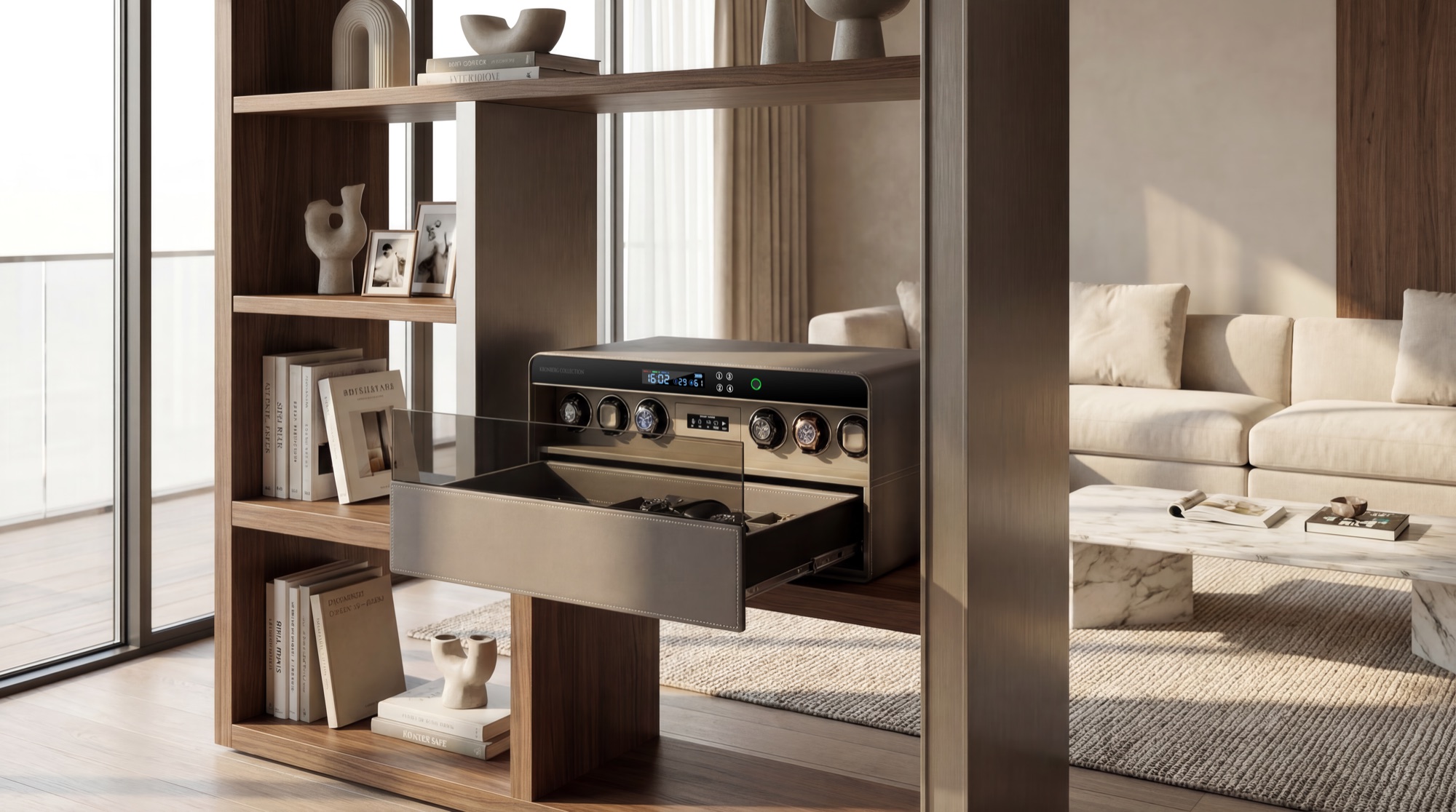
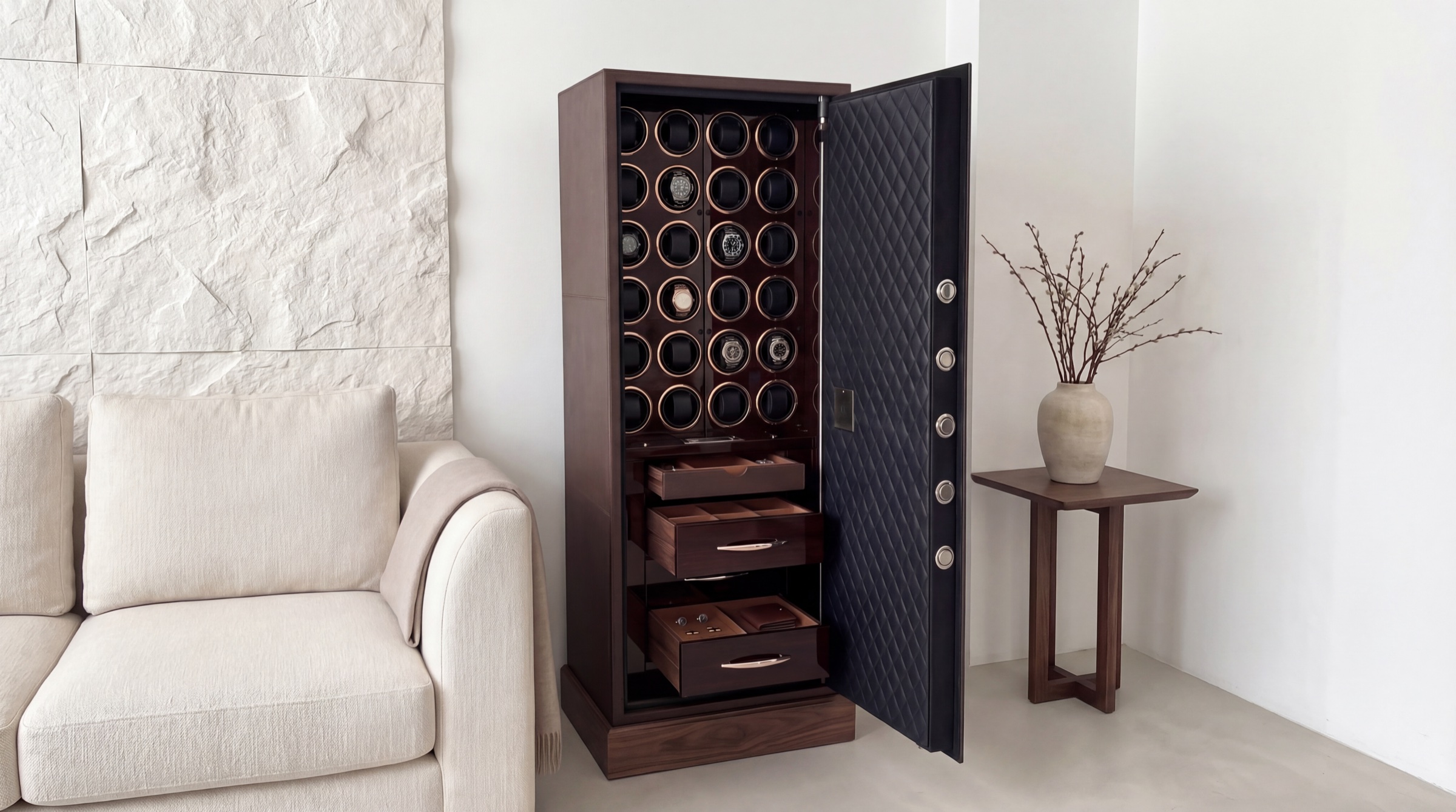
If you own several automatics, a modular winder where each bay is individually programmable for direction and TPD pays off. One module can keep your Daytona at 700 TPD while the next runs a GMT-Master II at 650 TPD.
Kronberg Grand Cabinets and standard safes integrate winders directly, so storage and maintenance live in one piece of furniture. Our article on built-in watch winders shows exactly how that works.
For almost any Rolex the rule holds: bidirectional rotation and 650 to 800 TPD, tuned to the specific caliber. Watch your timepiece over the first few days and adjust gently. If you want a bespoke solution with integrated, individually programmable winders, we are happy to advise through our configurator or in person via our contact page.
For virtually every modern Rolex the correct setting is bidirectional (both directions), because the Rolex rotor winds the mainspring in both directions. When unsure, "both" is always the safe choice.
Most Rolex calibers run perfectly on 650 turns per day, and a range of 650 to 800 TPD covers essentially the entire current lineup. Set it low when unsure and only raise it if the watch stops.
For the Daytona caliber 4130/4131, use bidirectional rotation and 650 to 800 TPD. A setting of 700 TPD is a good, safe middle value.
No. The Rolex mainspring has a slipping bridle that prevents over-winding, so a slightly high TPD figure will not damage the movement. A setting that is too low simply lets the watch stop.
The caliber is usually printed on the warranty card or can be identified from the reference number and model name. If you don't know it, choose bidirectional and 650 TPD as a safe default.
Yes, as long as each module is individually programmable, like the Kronberg winders with 3, 6 or 12 modules. That lets you tune direction and TPD per bay to suit each caliber.
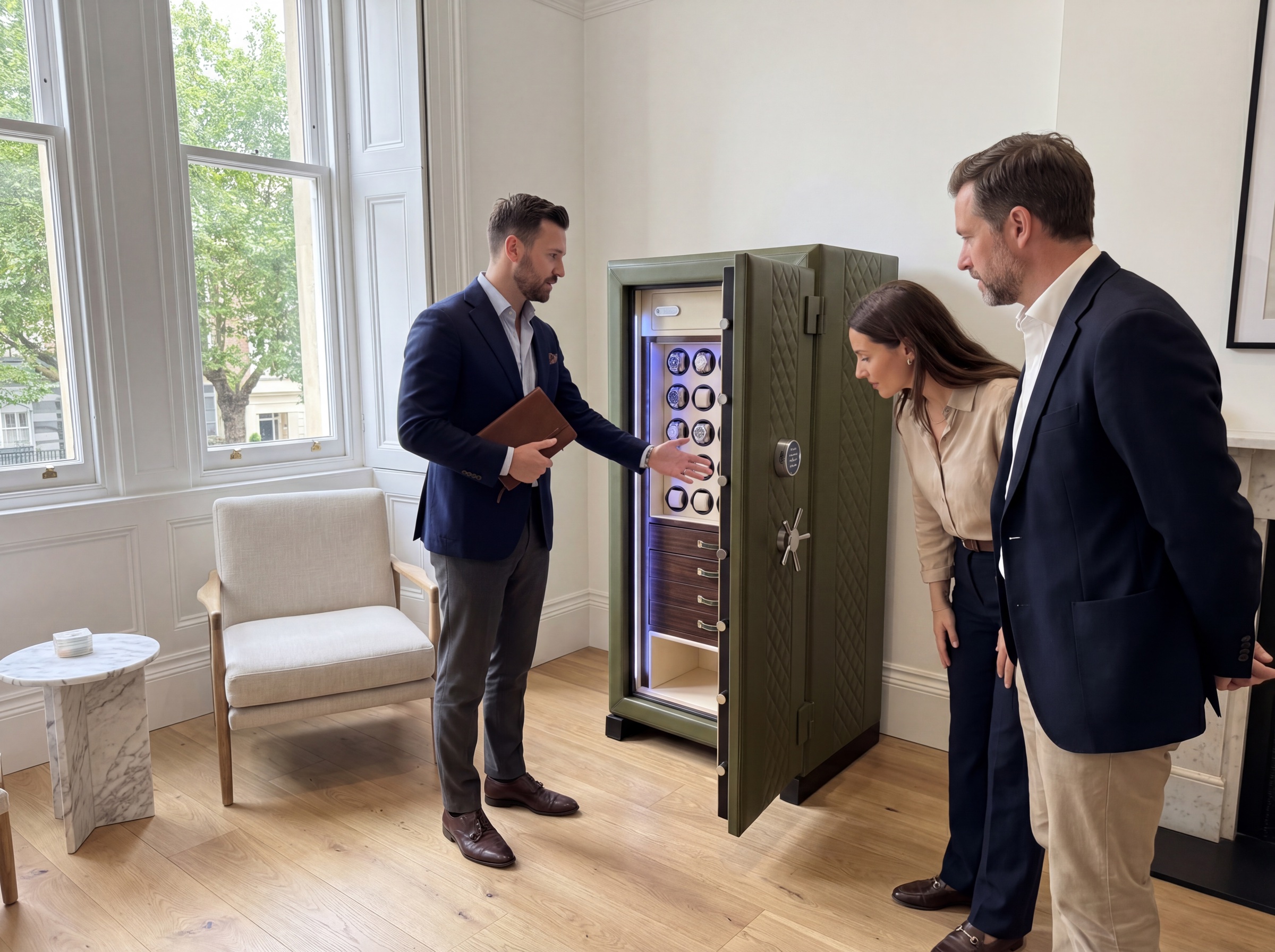
Book a no-obligation personal consultation with a Kronberg advisor. We'll guide you through every option.