Protecting watches from magnetism comes down to keeping them away from magnetic fields — phone cases with magnetic closures, tablet covers, speakers, handbag clasps and induction hobs are the usual culprits. Magnetism does not permanently harm a mechanical watch, but it makes it run noticeably fast; a quick demagnetization restores accuracy in seconds. Knowing the risk sources and storing your collection antimagnetically prevents the problem before it starts.
Alongside moisture and shock, magnetism is one of the most underestimated threats to a mechanical watch. Unlike theft it happens silently — and it is all the more frustrating because it is so easily avoided. This guide explains why a magnetized watch behaves the way it does, how to recognize it and how to protect your collection.
At the heart of every mechanical watch sits the hairspring — a wafer-thin coil of iron alloy that sets the beat. Expose it to a strong magnetic field and its individual coils magnetize and briefly stick together. The effective length of the spring shortens, the balance oscillates faster, and the watch suddenly gains minutes a day.
That is the entire effect of watch magnetism: not a mechanical fault, but an altered oscillation. Once the component is demagnetized, the movement runs normally again. Quartz watches are more robust but can also stop under very strong fields.
The biggest risks are not in a laboratory but on the bedside table. Modern devices increasingly contain powerful neodymium magnets that sit well above the critical threshold of many watches.
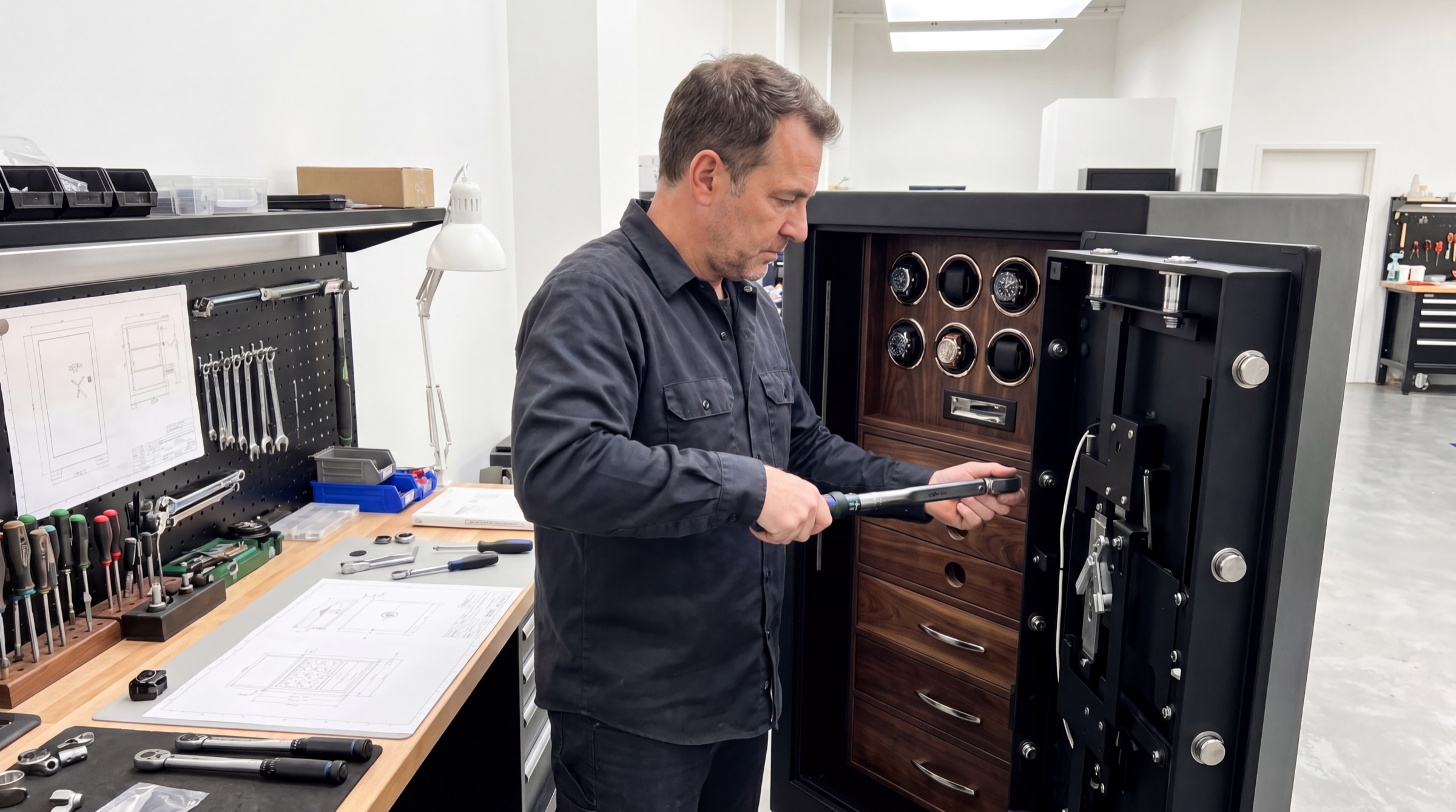
A simple rule for storage: keep a mechanical watch at least a hand's width from such devices. Anyone who keeps their pieces in a dedicated watch safe rather than a drawer beside the phone already cuts the risk dramatically.
The classic symptom is a sudden, pronounced gain — a watch that ran to within seconds for years now races several minutes a day. The fastest test uses a traditional compass: hold it near the watch and slowly move the case. If the needle deflects, the watch is magnetized.
Free compass apps on a smartphone can serve as a rough indicator. For a reliable diagnosis and fix, any watchmaker will help. Do not confuse magnetism with other timing errors — shocks, temperature or simply an overdue service can produce similar symptoms.
"Magnetism never destroys a watch — it only borrows its precision until someone sets it free."
To demagnetize a watch is surprisingly straightforward. The watchmaker places it on a demagnetizer that generates a decaying alternating field, neutralizing the magnetization of the hairspring. The process takes seconds and is completely harmless to the movement.
Inexpensive demagnetizers exist for home use. For valuable pieces we still recommend a professional — not least because they can confirm the deviation really comes from a field and nothing else. For the wider picture of caring for a collection, see our guide on burglary protection for watch collectors.
Antimagnetic properties vary considerably between movements. What matters is the field a watch can withstand without measurable timing error — expressed in microtesla (µT) or gauss.
| Protection level / example | Resistance (approx.) | Everyday meaning |
|---|---|---|
| ISO 764 (antimagnetic) | 4,800 A/m (~60 gauss) | Baseline; everyday magnets remain a risk |
| Higher-protected models | ~1,000 gauss | Good margin against phone cases |
| Soft-iron-cage movements | ~1,000+ gauss | Faraday cage shields the movement |
| Modern silicon hairsprings | largely immune | Silicon cannot be magnetized |
Older vintage watches without antimagnetic measures are the most vulnerable — precisely the pieces collectors treasure most. This is exactly where careful storage pays off.
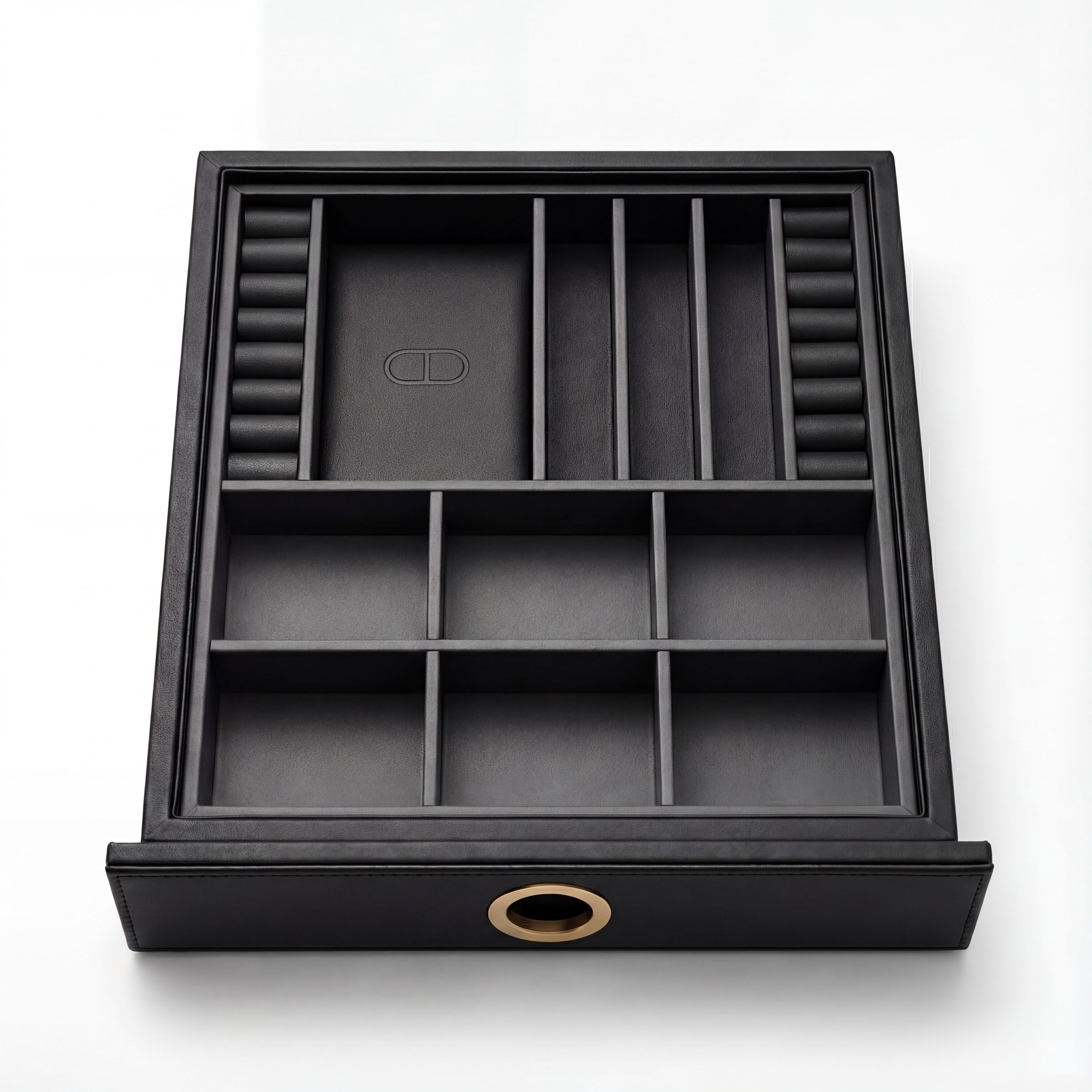
A fine safe protects not through some special anti-magnetic material but through the principle of distance and order. In a Grand Cabinet each watch rests in its own cushioned place — kept apart from phones, tablets and magnetic accessories. Antimagnetic storage is the natural result of deliberately keeping magnetic sources out of the interior.
At Kronberg Collection we ensure that closures, winders and fittings produce no stray fields. To plan a collection individually you can use the configurator or simply contact us. The same logic applies on the move: keep your watches apart from magnetic travel accessories — see our piece on traveling with watches safely.
The most effective protection is routine. Never rest a watch on a speaker, charging pad or tablet cover. Keep each piece in a fixed home — a pouch, a winder module or a safe compartment — and, if a watch inexplicably runs fast, check for magnetism before booking an expensive service.
Follow these few rules and you will rarely see the effect at all. And if it does happen, the fix is a matter of seconds — no damage, just a brief visit to the watchmaker.
No, magnetism causes no lasting damage. It only makes the watch run fast or slow because the hairspring becomes magnetized; once demagnetized, the movement runs normally again.
The clearest sign is a sudden gain of several minutes a day. A simple test is to hold a compass near the watch — if the needle deflects, the watch is magnetized.
Yes, inexpensive home demagnetizers work in seconds. For valuable pieces, though, a watchmaker is wiser because they can rule out other causes of poor timekeeping at the same time.
Phone and tablet cases with magnetic closures are the most common source, followed by speakers, charging pads, induction hobs and magnetic bag clasps. Keep at least a hand's width of distance.
Largely yes, because silicon cannot be magnetized. Such movements are practically immune to everyday magnetic fields, whereas older vintage watches without protection are the most vulnerable.
A safe protects mainly through order and distance, keeping each watch separate from phones and magnetic accessories. Deliberately magnet-free storage reliably prevents the problem.
Book a no-obligation personal consultation with a Kronberg advisor. We'll guide you through every option.