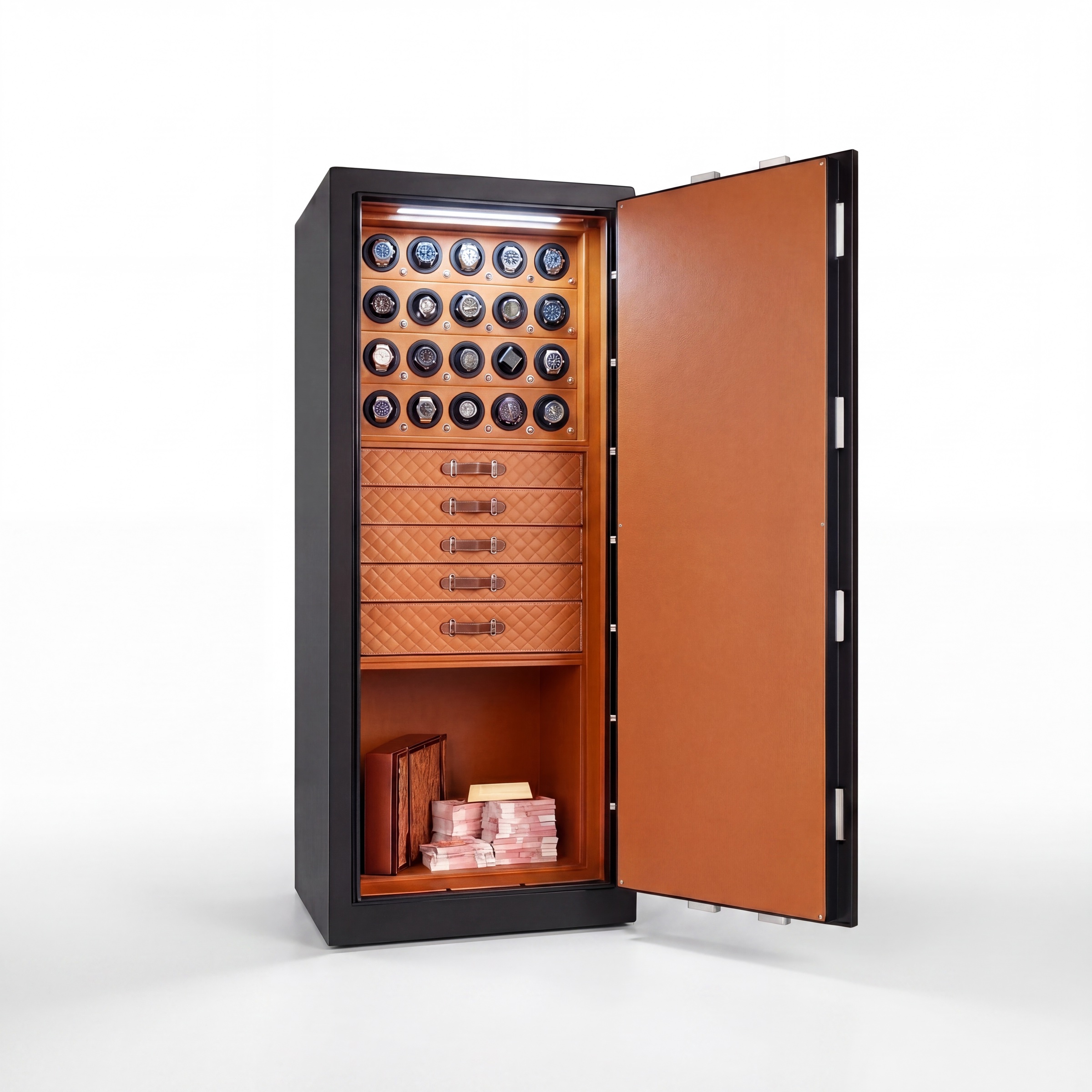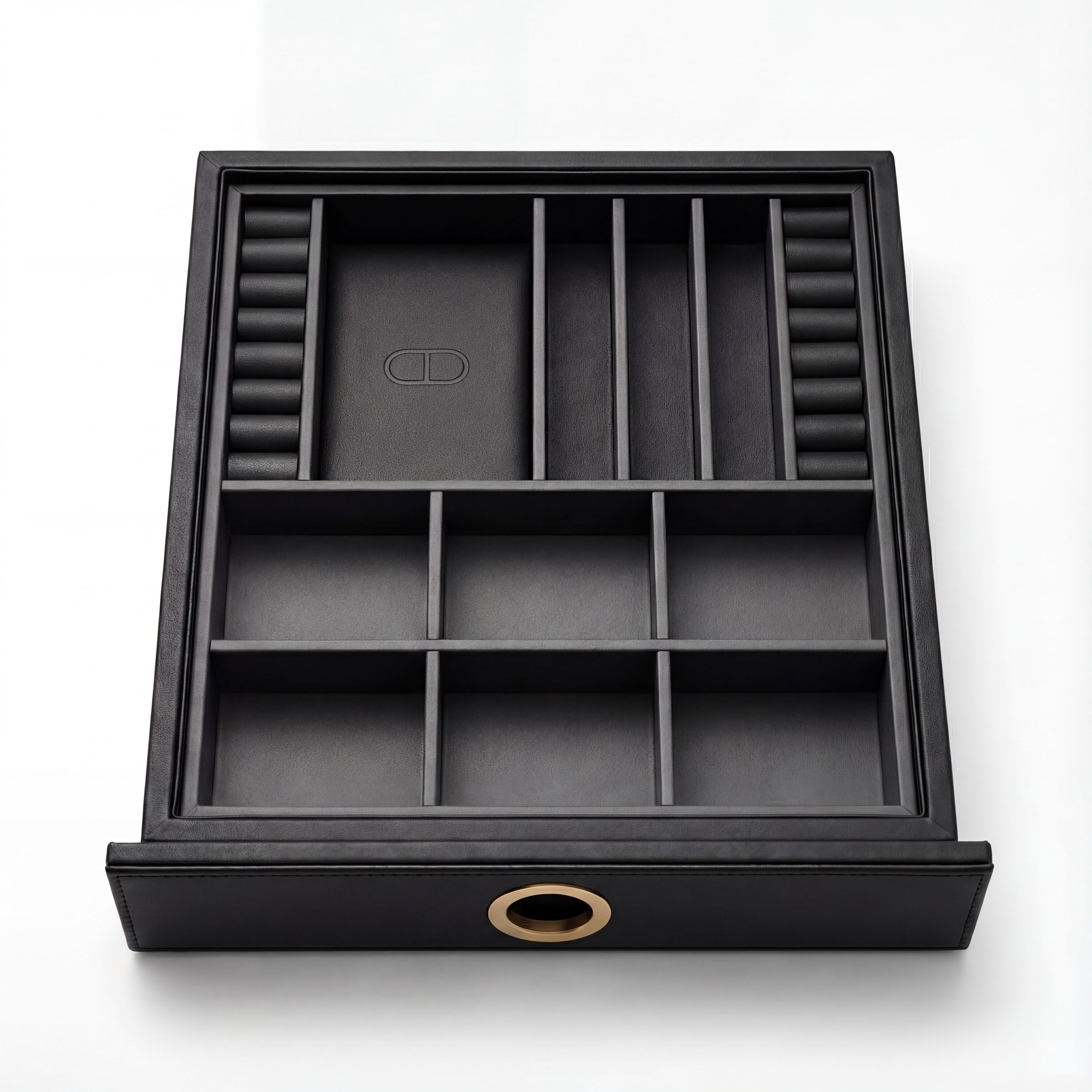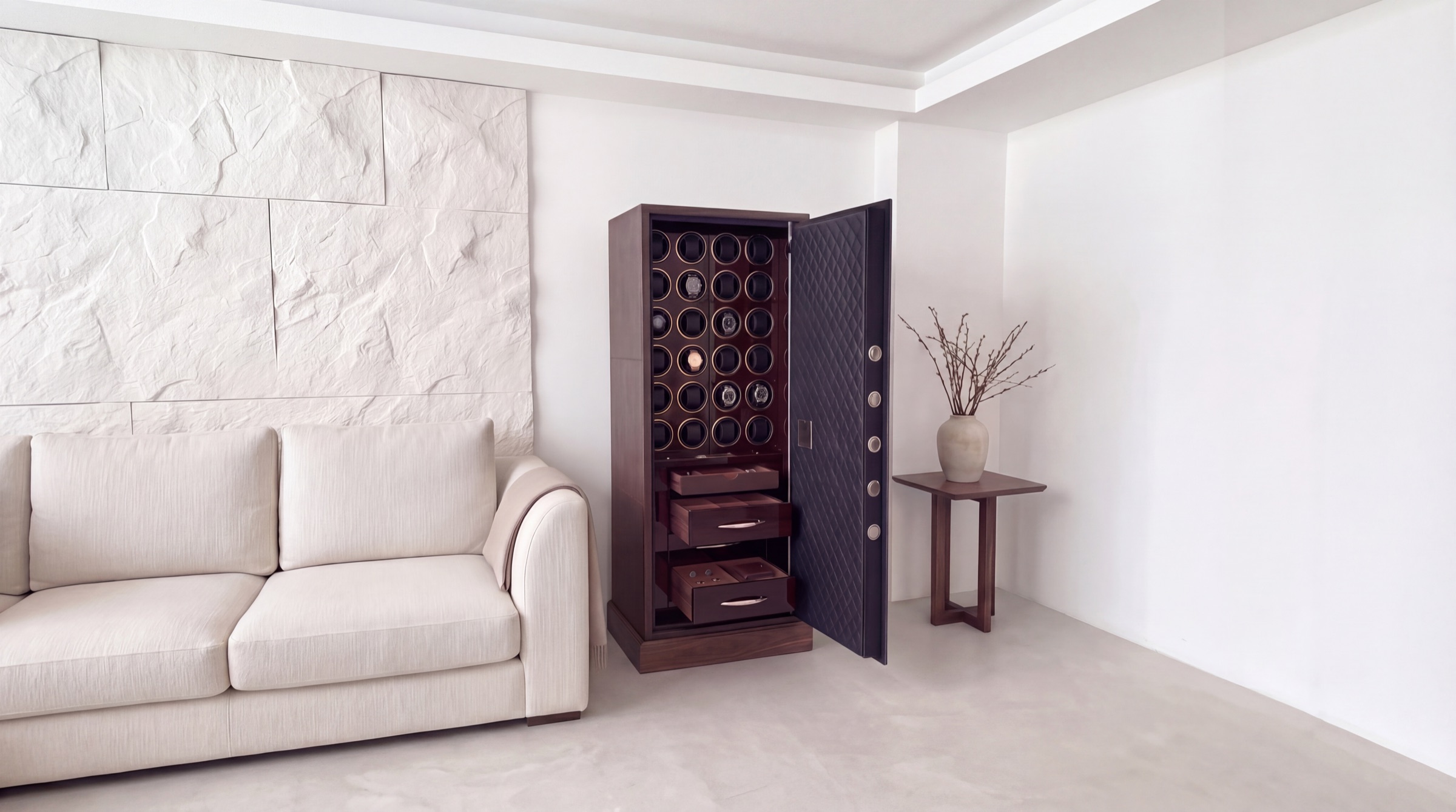
A Patek Philippe grand complication is worth more than most European cars. A modest collection of ten serious pieces may represent CHF 200,000 or more in concentrated, portable, and entirely liquid assets. Yet most collectors secure their cars with immobilisers, tracking devices, and comprehensive insurance — and keep their watches in a drawer. This gap between perceived risk and actual risk is one of the most consistent patterns we observe among collectors who contact us after an incident.
Securing a high-value watch collection properly is not complicated, but it requires thinking about the problem in its entirety: the safe, the placement, the insurance, the documentation, and the human factors that no physical security measure can fully replace. This guide addresses all of it.
A watch safe is not optional for a high-value collection. Every other security measure — alarm systems, insurance, discretion — presupposes that the physical container protecting your watches is adequate. An uncertified safe, regardless of its apparent weight and solidity, is not adequate. A determined thief with basic tools can access most uncertified safes within minutes.
The starting point is an EN 1300 certified safe at the grade appropriate to your collection's value. For collections below CHF 100,000, Grade I provides the minimum insurance-compliant protection. Between CHF 100,000 and CHF 300,000, Grade II is the appropriate standard. Above CHF 300,000, Grade III should be the minimum consideration. Confirm the requirement directly with your insurer before commissioning — requirements vary by policy and property type.
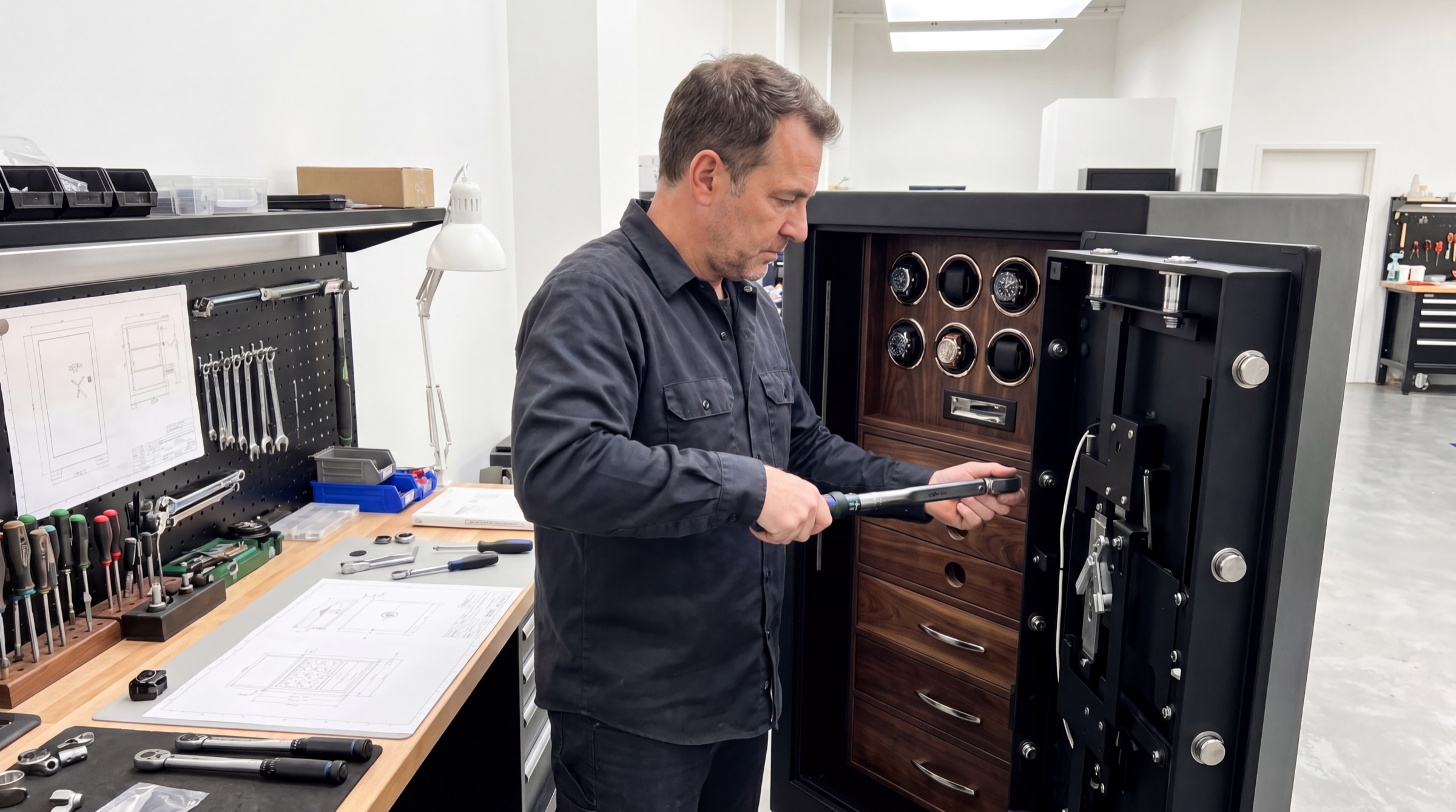
Where you put your safe is nearly as important as which safe you choose. A safe placed immediately inside the front door is accessible to a thief within seconds of entry. A safe visible through a window, or whose presence is known to cleaning staff, tradespeople, or casual visitors, is a safe whose location has been compromised.
The optimal placement keeps several principles in mind: distance from exterior walls (reducing the risk of cutting through the wall rather than the door); concealment from casual view (within a wardrobe, behind a panel, in a room not visible during routine property visits); structural anchoring to the floor or wall, making removal physically impractical; and accessibility to the owner — a safe that is difficult to reach daily tends to be left open, or to have its combination written in a notepad nearby.
Floor anchoring is standard in our installation process. Wall anchoring provides an additional layer of security for high-grade installations. Our installation team will assess the structural suitability of your chosen location and recommend the most effective anchoring approach for your property.
Standard Swiss home contents insurance (Hausratversicherung) covers valuables up to defined limits that are almost always insufficient for a serious watch collection. The standard policy cap for jewellery and watches is typically CHF 30,000 to CHF 60,000 — a fraction of what a ten-piece collection may represent. Above this level, specialist valuables insurance is required.
Specialist watch insurance typically requires: a current, itemised appraisal by a recognised watchmaker or auction house specialist; serial numbers for every piece; photographic records; and a high-security safe at the grade specified in the policy. It may also require an alarm system with a monitoring contract, and specific anchoring of the safe. The cost of appropriate coverage for a CHF 300,000 collection is typically 0.5% to 1.0% of value per year — a reasonable cost given the protection it provides.
No physical security measure is effective against an adversary who already knows exactly what you have and where it is. Discretion — who knows about your collection, and how much they know — is a significant security variable that most collectors underestimate. The collector who posts his latest acquisition to social media, brings friends to view the safe, and discusses values freely at dinner creates a risk profile that no safe can fully address.
The practical principles: keep the existence of a significant collection private; be careful what you post publicly; be selective about who accompanies you to specialist retailers or service appointments; ensure that anyone who enters your home regularly — household staff, maintenance workers, estate managers — does so under appropriate confidentiality arrangements. This is not paranoia. It is how every serious professional institution manages the same type of risk.
In the event of theft or loss, the quality of your documentation is what determines the outcome of an insurance claim. Without detailed records, claims are complicated, undervalued, and sometimes denied. With comprehensive records, the process is straightforward.
A proper collection inventory includes: high-quality photographs of each piece (both overall and of the caseback, serial number, and any unique features); serial numbers for the case and movement; purchase documentation or auction records; service history with dates and watchmakers; and current appraisal values from a recognised specialist. This inventory should be stored separately from the collection — in a secure digital location and a physical copy with your legal advisors.
Our watch safes can be specified with alarm outputs that connect to a property alarm system or directly to a monitoring service. The alarm output triggers if the safe is moved, if an incorrect combination is attempted more than a specified number of times, or if the door is forced. For Grade II and III installations, alarm integration is increasingly requested by insurers as a condition of coverage. It is also simply good practice — physical deterrence and active detection work best in combination.
A collection of significant value is an estate asset. Who knows the combination to your safe? Who would be able to access it in a medical emergency, or in the event of your death? What instructions have you left regarding the disposition of the collection? These are not comfortable questions, but failing to address them can result in a collection that is effectively lost — locked in a safe whose combination is known to no one living.
The practical solution is straightforward: a sealed copy of all access information held by your attorney, alongside documented instructions for the collection. Review this every two years and whenever the combination changes.
"Security is not paranoia. It is a form of respect for what you have built — and a responsibility to those who will inherit it."
Secure a high-value watch collection by keeping it in an EN 1300 certified safe matched to its value, anchoring the safe out of casual view, and backing this with specialist valuables insurance and a full photographic inventory. The five pillars are the certified safe, discreet placement, adequate insurance, documentation, and discretion about who knows what you own.
Match the EN 1300 grade to your collection's value: Grade I is the insurance-compliant minimum below CHF 100,000, Grade II suits CHF 100,000 to CHF 300,000, and Grade III is the minimum consideration above CHF 300,000. Always confirm the exact requirement with your insurer before commissioning, as it varies by policy and property.
No, standard Swiss home contents insurance (Hausratversicherung) typically caps watches and jewellery at only CHF 30,000 to CHF 60,000, far below a serious ten-piece collection. Above that limit you need specialist valuables insurance, which usually requires an itemised appraisal, serial numbers, photographs, and a high-security safe at the specified grade.
Specialist watch insurance typically costs around 0.5% to 1.0% of the collection's value per year, so covering a CHF 300,000 collection runs roughly CHF 1,500 to CHF 3,000 annually. The insurer will normally also require a current appraisal, serial numbers, photographic records, and a high-security safe anchored to the specified standard.
Place a watch safe away from exterior walls and out of casual view, such as inside a wardrobe or behind a panel in a room not seen during routine visits, and anchor it to the floor or wall so it cannot be removed. Avoid spots immediately inside the front door or visible through a window, and keep the existence of the collection private to anyone who enters the home.
Book a no-obligation personal consultation with a Kronberg advisor. We'll guide you through every option.