Good leather strap care comes down to three habits: let the strap dry and breathe after wearing, shield it from direct sweat, and store it cool, dark and at a stable humidity. Treat a leather watch band this way and you prevent the two most common failures — drying out and moisture-driven rot — turning a strap that might last a year into one that lasts many.
Real leather is a living natural material. It absorbs moisture, releases it again, and reacts to sweat, skin oils, sunlight and temperature swings. That is why durability depends far less on an expensive conditioner than on the right routine when you wear it and the right approach to watch strap storage.
Most straps are not destroyed by abrasion but by sweat and moisture. Salts and acids from perspiration soak into the fibre structure, break down the tanning, and cause stiffness, odour and cracking on the underside — often long before the outer surface shows any wear.
The second enemy is dryness. When leather loses its natural oils it becomes brittle and splits at the flex points beside the spring bar. Both processes slow dramatically when a watch strap is allowed to breathe after wear rather than being sealed away airtight.
Clean it regularly but gently. Wipe the outer surface with a slightly damp, lint-free cloth and dry it immediately. The underside, which sits against the skin, can be cleaned when needed with a barely moistened cloth and a little pH-neutral leather soap — never soak it.
Then let the strap air-dry at room temperature, away from radiators, hair dryers and sunlight. Direct heat drives the water out too fast and turns leather hard. Patience is the most effective form of care here.
Less is more. A quality leather balm or a wax- or beeswax-based conditioner nourishes the leather and protects the surface. Avoid cheap oils and pure mineral-oil products: they penetrate deeply, darken the leather unevenly and can soften the glued seams.
Apply the balm thinly with a finger or cloth, let it absorb, then buff off the excess. Two to four applications a year are plenty for a regularly worn strap — over-doing strap maintenance causes more harm than it prevents.
"It isn't the most expensive conditioner that saves a leather strap — it's the habit of letting it breathe after every wear."
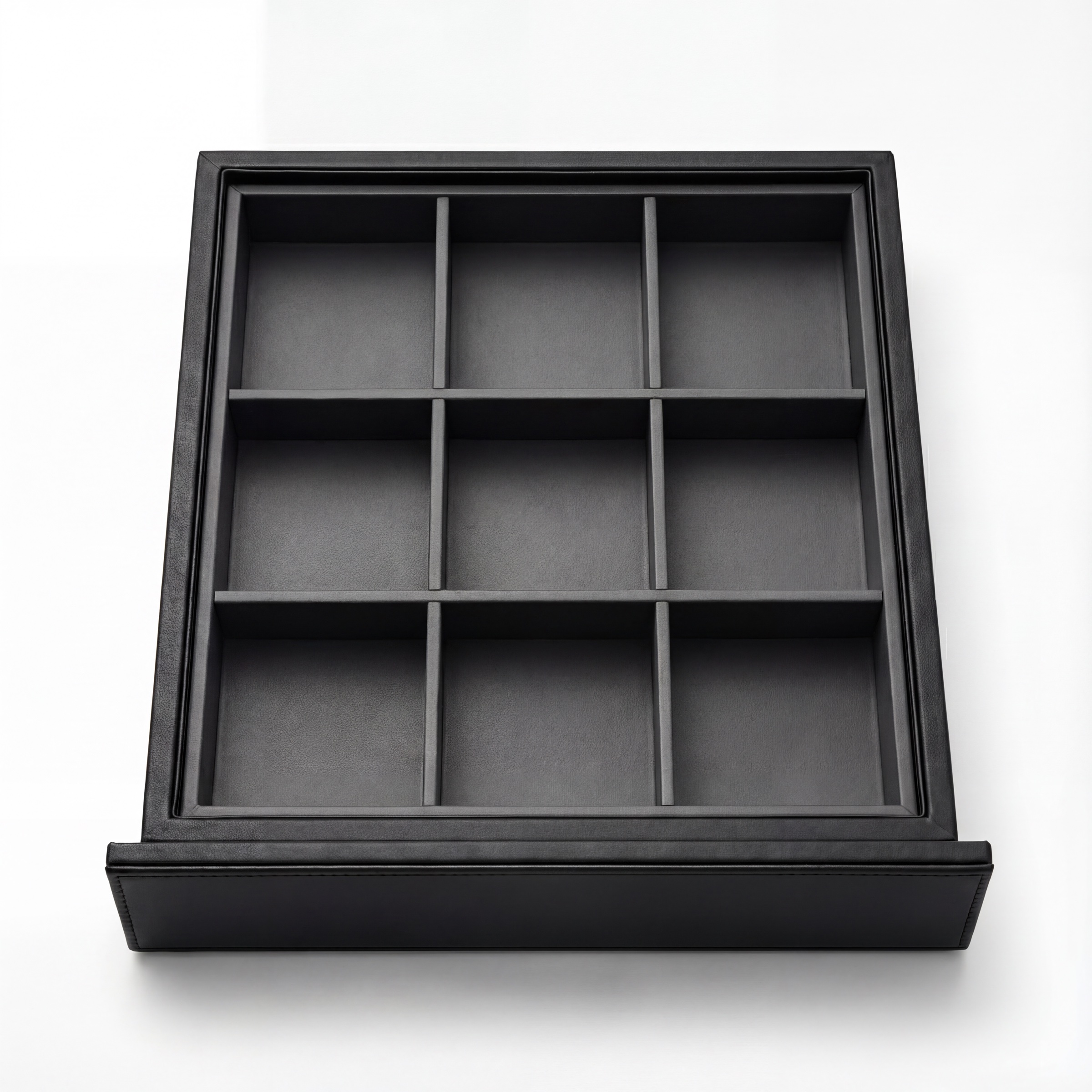
Store unworn straps flat or gently curved, kept apart from one another so dyes don't transfer. Darkness is essential: UV light bleaches leather and embrittles the surface, which is why open display cases are the worst choice. We cover this further in our guide on protecting watches from UV light and dust.
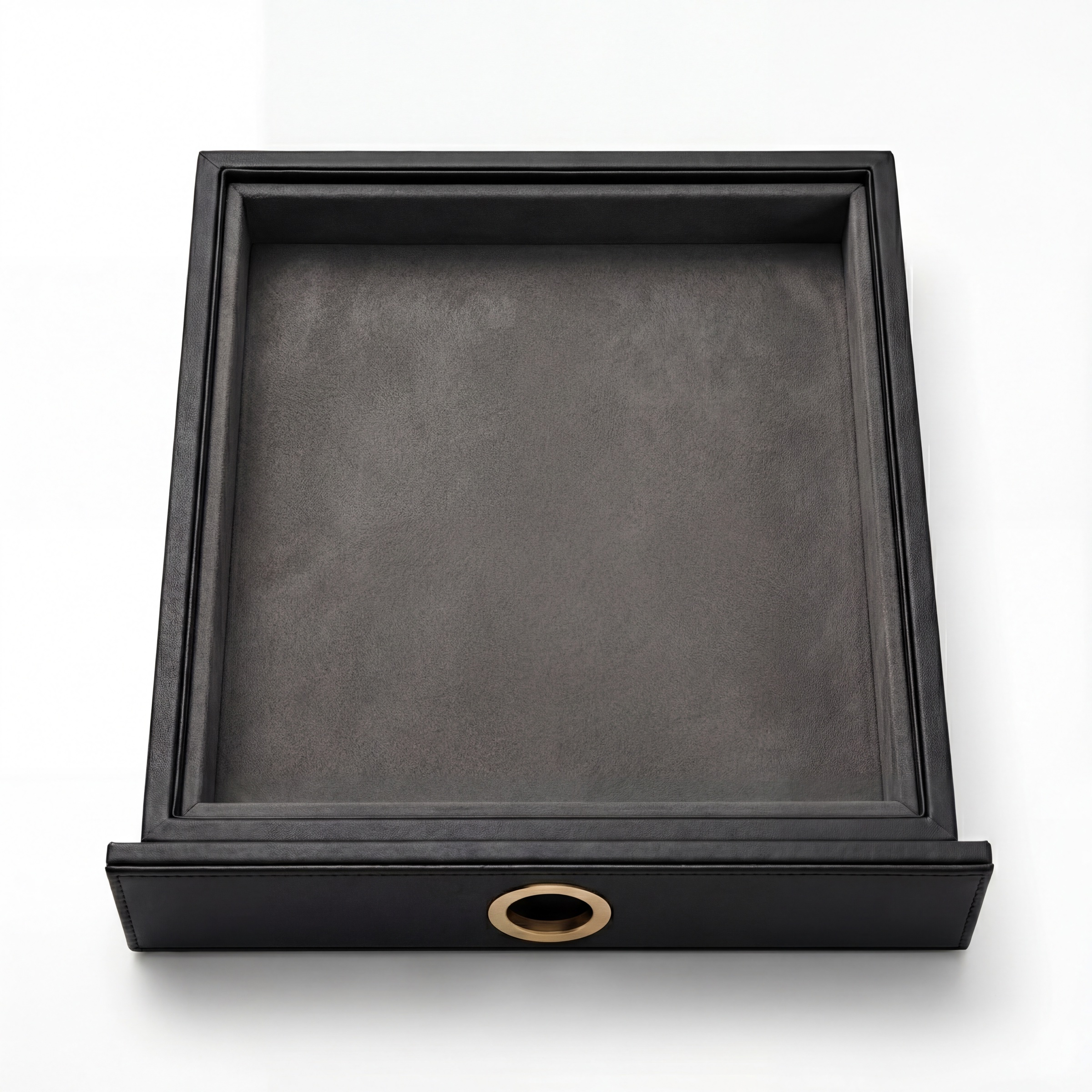
Climate is decisive. Leather straps are happiest at moderate, stable humidity; too much moisture risks mould, while air that is too dry leaves the leather brittle. Our guide to humidity and watch storage explains the ideal range. A watch safe with a leather or Alcantara interior in a climate-stable room offers far better conditions than a drawer against an exterior wall.
| Condition | Recommendation | If ignored |
|---|---|---|
| Relative humidity | stable, moderate (approx. 45–55%) | mould or embrittlement |
| Light | dark, no direct UV | fading, cracking |
| Position | flat, straps kept apart | crease marks, dye transfer |
| Ventilation | breathable, not airtight | odour, mildew spots |
| After wearing | air out, then store | sweat damage underneath |
Don't wear the same leather strap every day. A rotation gives each band 24 to 48 hours to fully air out — the single most effective defence against the slow decay caused by residual moisture. For active or humid occasions a rubber or steel bracelet is the better choice anyway, leaving the leather watch band for dry settings.
If you store a collection systematically, think of straps and watches as one unit. Our guide to long-term watch storage shows how to keep watches and straps in top condition over months at a time.
Some damage cannot be conditioned back. Deep cracks at the spring-bar holes, failed glued seams, persistent odour or a hard, crumbling underside are signs the strap has reached the end of its life — and at that point safety matters more than sentiment, because a broken strap can drop the watch.
Quality straps can be restitched or re-leathered by a saddler or the manufacturer, which is almost always worthwhile for a valuable watch. If you are rethinking your storage entirely, we are glad to advise in person — reach us through our contact page or explore the Kronberg collection.
For a regularly worn strap, two to four conditioning applications a year with a quality leather balm are enough. Conditioning more often does more harm than good, because excess oil softens the leather and attacks the glued seams.
Only very sparingly: a barely damp, lint-free cloth is fine, but the strap must never be soaked and should air-dry afterwards. Submerging, rinsing or drying with a hair dryer makes leather hard and brittle.
Store it flat or gently curved, in the dark, at a moderate and stable humidity of around 45 to 55 percent, and kept apart from other straps. A watch safe with a leather or Alcantara interior in a climate-stable room provides ideal conditions.
Odour almost always comes from absorbed sweat and residual moisture on the skin-facing underside. Let the strap air out completely after each wear and avoid wearing the same band every day, and the problem becomes far less common.
Only if the air in the storage room is persistently too dry. At a moderate, stable humidity with occasional conditioning the strap stays supple; a climate-stable location matters more than the safe itself.
Surface wear can be cared for, but deep cracks at the spring-bar holes or failed stitching usually mean the end of the strap. Quality bands, however, can be restitched or re-leathered by a saddler.
Book a no-obligation personal consultation with a Kronberg advisor. We'll guide you through every option.